Bytes in Bits umrechnen
1 Byte hat 8 Bit, Sie müssen die Anzahl der Bytes also nur mit 8 multiplizieren. Geben Sie eine Größe in Byte ein, und der Umrechner zeigt sofort das Ergebnis in Bit.
Wie viele Bit hat ein Byte?
Ein Byte hat 8 Bit. Jedes dieser Bits ist entweder 0 oder 1, deshalb kann ein Byte 28 = 256 verschiedene Werte annehmen, von 00000000 bis 11111111 im Binärsystem[1]. Im Dezimalsystem sind das die Zahlen von 0 bis 255.
Ein Byte lässt sich in zwei Hälften zu je 4 Bit teilen. Eine solche Hälfte heißt Nibble, und sie entspricht genau einer Hexadezimalziffer, weshalb man ein Byte mit zwei Hexadezimalziffern schreiben kann[1].
Wie rechnet man Byte in Bit um?
Multiplizieren Sie die Anzahl der Bytes mit 8: Bit = Byte × 8. Eine Größe von 4 B ergibt 4 × 8 = 32 Bit, und 1 024 B ergeben 8 192 Bit. In die andere Richtung teilen Sie durch 8, und das übernimmt der Umrechner von Bits in Bytes.
Eine größere Einheit rechnen Sie zuerst in Byte um. Ein Kilobyte hat je nach Standard 1 000 oder 1 024 Byte und ergibt damit 8 000 oder 8 192 Bit. Ein Megabyte ergibt auf dieselbe Weise 8 000 000 oder 8 388 608 Bit. Beide Varianten zeigt der Dateneinheiten-Umrechner, wenn Sie dort KB oder KiB beziehungsweise MB oder MiB wählen.
Wie viele Bit sind wie viele Byte?
Legen Sie fest, bei welchem Wert die Tabelle beginnt, welchen Schritt die Zeilen haben und wie viele Nachkommastellen sie zeigt. Die Schaltflächen Kleinere Werte und Größere Werte verschieben die Tabelle.
| Byte | Bit |
|---|---|
| 1 Byte | 8 Bit |
| 2 Byte | 16 Bit |
| 3 Byte | 24 Bit |
| 4 Byte | 32 Bit |
| 5 Byte | 40 Bit |
| 6 Byte | 48 Bit |
| 7 Byte | 56 Bit |
| 8 Byte | 64 Bit |
| 9 Byte | 72 Bit |
| 10 Byte | 80 Bit |
| 11 Byte | 88 Bit |
| 12 Byte | 96 Bit |
| 13 Byte | 104 Bit |
| 14 Byte | 112 Bit |
| 15 Byte | 120 Bit |
| 16 Byte | 128 Bit |
| 17 Byte | 136 Bit |
| 18 Byte | 144 Bit |
| 19 Byte | 152 Bit |
| 20 Byte | 160 Bit |
| 21 Byte | 168 Bit |
| 22 Byte | 176 Bit |
| 23 Byte | 184 Bit |
| 24 Byte | 192 Bit |
| 25 Byte | 200 Bit |
| 26 Byte | 208 Bit |
| 27 Byte | 216 Bit |
| 28 Byte | 224 Bit |
| 29 Byte | 232 Bit |
| 30 Byte | 240 Bit |
| 31 Byte | 248 Bit |
| 32 Byte | 256 Bit |
| 33 Byte | 264 Bit |
| 34 Byte | 272 Bit |
| 35 Byte | 280 Bit |
| 36 Byte | 288 Bit |
| 37 Byte | 296 Bit |
| 38 Byte | 304 Bit |
| 39 Byte | 312 Bit |
| 40 Byte | 320 Bit |
| 41 Byte | 328 Bit |
| 42 Byte | 336 Bit |
| 43 Byte | 344 Bit |
| 44 Byte | 352 Bit |
| 45 Byte | 360 Bit |
| 46 Byte | 368 Bit |
| 47 Byte | 376 Bit |
| 48 Byte | 384 Bit |
| 49 Byte | 392 Bit |
| 50 Byte | 400 Bit |
| 51 Byte | 408 Bit |
| 52 Byte | 416 Bit |
| 53 Byte | 424 Bit |
| 54 Byte | 432 Bit |
| 55 Byte | 440 Bit |
| 56 Byte | 448 Bit |
| 57 Byte | 456 Bit |
| 58 Byte | 464 Bit |
| 59 Byte | 472 Bit |
| 60 Byte | 480 Bit |
| 61 Byte | 488 Bit |
| 62 Byte | 496 Bit |
| 63 Byte | 504 Bit |
| 64 Byte | 512 Bit |
| 65 Byte | 520 Bit |
| 66 Byte | 528 Bit |
| 67 Byte | 536 Bit |
| 68 Byte | 544 Bit |
| 69 Byte | 552 Bit |
| 70 Byte | 560 Bit |
| 71 Byte | 568 Bit |
| 72 Byte | 576 Bit |
| 73 Byte | 584 Bit |
| 74 Byte | 592 Bit |
| 75 Byte | 600 Bit |
| 76 Byte | 608 Bit |
| 77 Byte | 616 Bit |
| 78 Byte | 624 Bit |
| 79 Byte | 632 Bit |
| 80 Byte | 640 Bit |
| 81 Byte | 648 Bit |
| 82 Byte | 656 Bit |
| 83 Byte | 664 Bit |
| 84 Byte | 672 Bit |
| 85 Byte | 680 Bit |
| 86 Byte | 688 Bit |
| 87 Byte | 696 Bit |
| 88 Byte | 704 Bit |
| 89 Byte | 712 Bit |
| 90 Byte | 720 Bit |
| 91 Byte | 728 Bit |
| 92 Byte | 736 Bit |
| 93 Byte | 744 Bit |
| 94 Byte | 752 Bit |
| 95 Byte | 760 Bit |
| 96 Byte | 768 Bit |
| 97 Byte | 776 Bit |
| 98 Byte | 784 Bit |
| 99 Byte | 792 Bit |
| 100 Byte | 800 Bit |
| 101 Byte | 808 Bit |
| 102 Byte | 816 Bit |
| 103 Byte | 824 Bit |
| 104 Byte | 832 Bit |
| 105 Byte | 840 Bit |
| 106 Byte | 848 Bit |
| 107 Byte | 856 Bit |
| 108 Byte | 864 Bit |
| 109 Byte | 872 Bit |
| 110 Byte | 880 Bit |
| 111 Byte | 888 Bit |
| 112 Byte | 896 Bit |
| 113 Byte | 904 Bit |
| 114 Byte | 912 Bit |
| 115 Byte | 920 Bit |
| 116 Byte | 928 Bit |
| 117 Byte | 936 Bit |
| 118 Byte | 944 Bit |
| 119 Byte | 952 Bit |
| 120 Byte | 960 Bit |
| 121 Byte | 968 Bit |
| 122 Byte | 976 Bit |
| 123 Byte | 984 Bit |
| 124 Byte | 992 Bit |
| 125 Byte | 1 000 Bit |
| 126 Byte | 1 008 Bit |
| 127 Byte | 1 016 Bit |
| 128 Byte | 1 024 Bit |
| 129 Byte | 1 032 Bit |
| 130 Byte | 1 040 Bit |
| 131 Byte | 1 048 Bit |
| 132 Byte | 1 056 Bit |
| 133 Byte | 1 064 Bit |
| 134 Byte | 1 072 Bit |
| 135 Byte | 1 080 Bit |
| 136 Byte | 1 088 Bit |
| 137 Byte | 1 096 Bit |
| 138 Byte | 1 104 Bit |
| 139 Byte | 1 112 Bit |
| 140 Byte | 1 120 Bit |
| 141 Byte | 1 128 Bit |
| 142 Byte | 1 136 Bit |
| 143 Byte | 1 144 Bit |
| 144 Byte | 1 152 Bit |
| 145 Byte | 1 160 Bit |
| 146 Byte | 1 168 Bit |
| 147 Byte | 1 176 Bit |
| 148 Byte | 1 184 Bit |
| 149 Byte | 1 192 Bit |
| 150 Byte | 1 200 Bit |
| 151 Byte | 1 208 Bit |
| 152 Byte | 1 216 Bit |
| 153 Byte | 1 224 Bit |
| 154 Byte | 1 232 Bit |
| 155 Byte | 1 240 Bit |
| 156 Byte | 1 248 Bit |
| 157 Byte | 1 256 Bit |
| 158 Byte | 1 264 Bit |
| 159 Byte | 1 272 Bit |
| 160 Byte | 1 280 Bit |
| 161 Byte | 1 288 Bit |
| 162 Byte | 1 296 Bit |
| 163 Byte | 1 304 Bit |
| 164 Byte | 1 312 Bit |
| 165 Byte | 1 320 Bit |
| 166 Byte | 1 328 Bit |
| 167 Byte | 1 336 Bit |
| 168 Byte | 1 344 Bit |
| 169 Byte | 1 352 Bit |
| 170 Byte | 1 360 Bit |
| 171 Byte | 1 368 Bit |
| 172 Byte | 1 376 Bit |
| 173 Byte | 1 384 Bit |
| 174 Byte | 1 392 Bit |
| 175 Byte | 1 400 Bit |
| 176 Byte | 1 408 Bit |
| 177 Byte | 1 416 Bit |
| 178 Byte | 1 424 Bit |
| 179 Byte | 1 432 Bit |
| 180 Byte | 1 440 Bit |
| 181 Byte | 1 448 Bit |
| 182 Byte | 1 456 Bit |
| 183 Byte | 1 464 Bit |
| 184 Byte | 1 472 Bit |
| 185 Byte | 1 480 Bit |
| 186 Byte | 1 488 Bit |
| 187 Byte | 1 496 Bit |
| 188 Byte | 1 504 Bit |
| 189 Byte | 1 512 Bit |
| 190 Byte | 1 520 Bit |
| 191 Byte | 1 528 Bit |
| 192 Byte | 1 536 Bit |
| 193 Byte | 1 544 Bit |
| 194 Byte | 1 552 Bit |
| 195 Byte | 1 560 Bit |
| 196 Byte | 1 568 Bit |
| 197 Byte | 1 576 Bit |
| 198 Byte | 1 584 Bit |
| 199 Byte | 1 592 Bit |
| 200 Byte | 1 600 Bit |
| 201 Byte | 1 608 Bit |
| 202 Byte | 1 616 Bit |
| 203 Byte | 1 624 Bit |
| 204 Byte | 1 632 Bit |
| 205 Byte | 1 640 Bit |
| 206 Byte | 1 648 Bit |
| 207 Byte | 1 656 Bit |
| 208 Byte | 1 664 Bit |
| 209 Byte | 1 672 Bit |
| 210 Byte | 1 680 Bit |
| 211 Byte | 1 688 Bit |
| 212 Byte | 1 696 Bit |
| 213 Byte | 1 704 Bit |
| 214 Byte | 1 712 Bit |
| 215 Byte | 1 720 Bit |
| 216 Byte | 1 728 Bit |
| 217 Byte | 1 736 Bit |
| 218 Byte | 1 744 Bit |
| 219 Byte | 1 752 Bit |
| 220 Byte | 1 760 Bit |
| 221 Byte | 1 768 Bit |
| 222 Byte | 1 776 Bit |
| 223 Byte | 1 784 Bit |
| 224 Byte | 1 792 Bit |
| 225 Byte | 1 800 Bit |
| 226 Byte | 1 808 Bit |
| 227 Byte | 1 816 Bit |
| 228 Byte | 1 824 Bit |
| 229 Byte | 1 832 Bit |
| 230 Byte | 1 840 Bit |
| 231 Byte | 1 848 Bit |
| 232 Byte | 1 856 Bit |
| 233 Byte | 1 864 Bit |
| 234 Byte | 1 872 Bit |
| 235 Byte | 1 880 Bit |
| 236 Byte | 1 888 Bit |
| 237 Byte | 1 896 Bit |
| 238 Byte | 1 904 Bit |
| 239 Byte | 1 912 Bit |
| 240 Byte | 1 920 Bit |
| 241 Byte | 1 928 Bit |
| 242 Byte | 1 936 Bit |
| 243 Byte | 1 944 Bit |
| 244 Byte | 1 952 Bit |
| 245 Byte | 1 960 Bit |
| 246 Byte | 1 968 Bit |
| 247 Byte | 1 976 Bit |
| 248 Byte | 1 984 Bit |
| 249 Byte | 1 992 Bit |
| 250 Byte | 2 000 Bit |
| 251 Byte | 2 008 Bit |
| 252 Byte | 2 016 Bit |
| 253 Byte | 2 024 Bit |
| 254 Byte | 2 032 Bit |
| 255 Byte | 2 040 Bit |
| 256 Byte | 2 048 Bit |
| 257 Byte | 2 056 Bit |
| 258 Byte | 2 064 Bit |
| 259 Byte | 2 072 Bit |
| 260 Byte | 2 080 Bit |
| 261 Byte | 2 088 Bit |
| 262 Byte | 2 096 Bit |
| 263 Byte | 2 104 Bit |
| 264 Byte | 2 112 Bit |
| 265 Byte | 2 120 Bit |
| 266 Byte | 2 128 Bit |
| 267 Byte | 2 136 Bit |
| 268 Byte | 2 144 Bit |
| 269 Byte | 2 152 Bit |
| 270 Byte | 2 160 Bit |
| 271 Byte | 2 168 Bit |
| 272 Byte | 2 176 Bit |
| 273 Byte | 2 184 Bit |
| 274 Byte | 2 192 Bit |
| 275 Byte | 2 200 Bit |
| 276 Byte | 2 208 Bit |
| 277 Byte | 2 216 Bit |
| 278 Byte | 2 224 Bit |
| 279 Byte | 2 232 Bit |
| 280 Byte | 2 240 Bit |
| 281 Byte | 2 248 Bit |
| 282 Byte | 2 256 Bit |
| 283 Byte | 2 264 Bit |
| 284 Byte | 2 272 Bit |
| 285 Byte | 2 280 Bit |
| 286 Byte | 2 288 Bit |
| 287 Byte | 2 296 Bit |
| 288 Byte | 2 304 Bit |
| 289 Byte | 2 312 Bit |
| 290 Byte | 2 320 Bit |
| 291 Byte | 2 328 Bit |
| 292 Byte | 2 336 Bit |
| 293 Byte | 2 344 Bit |
| 294 Byte | 2 352 Bit |
| 295 Byte | 2 360 Bit |
| 296 Byte | 2 368 Bit |
| 297 Byte | 2 376 Bit |
| 298 Byte | 2 384 Bit |
| 299 Byte | 2 392 Bit |
| 300 Byte | 2 400 Bit |
Wie viele Bit belegt ein Buchstabe?
Text in der Kodierung UTF-8 belegt pro Zeichen 1 bis 4 Byte[2]. Buchstaben ohne Umlaut, Ziffern und Leerzeichen passen in 1 Byte, also in 8 Bit. Die Umlaute ä, ö und ü und das ß brauchen 2 Byte, also 16 Bit.
Das Wort Größe hat deshalb 5 Buchstaben, belegt in UTF-8 aber 7 Byte, also 56 Bit: ö und ß je 2 Byte, die übrigen drei Buchstaben je 1 Byte.
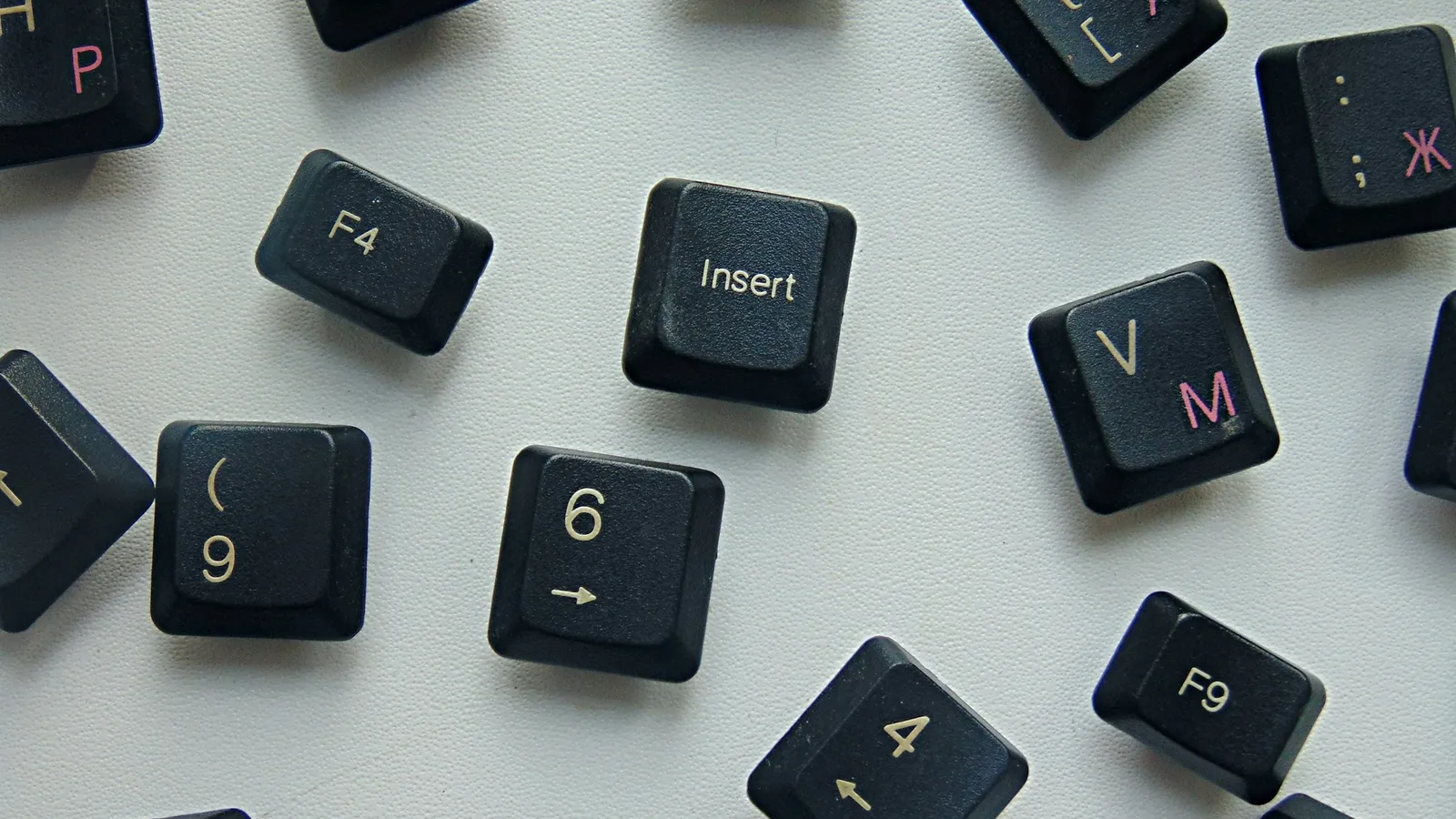
Wie viele Byte und Bit belegen Zeichen in UTF-8?
| Zeichen | Byte in UTF-8 | Bit |
|---|---|---|
| Buchstabe A, Ziffer oder Leerzeichen | 1 B | 8 Bit |
| Umlaut ä, ö, ü oder ß | 2 B | 16 Bit |
| Russischer Buchstabe Ж | 2 B | 16 Bit |
| Eurozeichen € | 3 B | 24 Bit |
| Emoji | 4 B | 32 Bit |
Woher kommen die Wörter Bit und Byte?
Bit ist eine Kurzform von binary digit, also Binärziffer. John W. Tukey kürzte den Begriff so in einer Notiz der Bell Labs vom 9. Januar 1947, und ein Jahr später verwendete Claude E. Shannon das Wort Bit in seiner Arbeit „A Mathematical Theory of Communication“[3].
Das Wort Byte prägte Werner Buchholz 1956 bei der Entwicklung des IBM-Rechners Stretch. Es geht auf das englische bite zurück, also Bissen, und die Schreibweise mit y wurde gewählt, damit daraus nicht versehentlich bit wird[1].
Welche Schreibweisen für Bytes nimmt dieser Umrechner an?
| Ihre Eingabe | Was der Umrechner zeigt | Wie wir es lesen |
|---|---|---|
| 1,5 | 12 bit | Das Komma trennt die Nachkommastellen, im Feld stehen also anderthalb Byte. |
| 1.5 | 12 bit | Ein Punkt vor einer einzelnen Ziffer trennt ebenfalls die Nachkommastellen, das Ergebnis ist also dasselbe wie bei 1,5. |
| 1.500 | 12 bit | Einen einzelnen Punkt lesen wir immer als Dezimaltrennzeichen und rechnen mit anderthalb Byte. Unter dem Feld erscheint ein Hinweis, und eintausendfünfhundert geben Sie als 1500 oder 1 500 ein. |
| 1 500 | 12000 bit | Das Leerzeichen zwischen den Tausendern überspringen wir, im Feld stehen also eintausendfünfhundert Byte. |
| 64 B | 512 bit | Die Einheit des Feldes stört beim Einfügen nicht, denn wir nehmen die Zahl davor. |
| 256 Byte | 2048 bit | Eine Größe, die mit dem Wort Byte kopiert wurde, zum Beispiel aus dem Eigenschaften-Fenster einer Datei, lesen wir als Anzahl der Bytes. |
| 32 Bit | 32 bit | Bits im Feld für Bytes schreiben wir als 4 Byte um und weisen darunter darauf hin, das Ergebnis sind also wieder dieselben 32 Bit. |
| 1 KB | 8000 bit | Ein Kilobyte zählt hier als 1000 Byte, weil dieses Paar keinen Schalter für den Standard hat. Die 8192 Bit eines Kilobytes mit 1024 Byte liefert der Dateneinheiten-Umrechner, wenn Sie dort KiB wählen. |
| ½ | 4 bit | Das aus einem Text kopierte Zeichen ½ lesen wir als halbes Byte. |
| 2e3 | 16000 bit | Die wissenschaftliche Schreibweise aus einer Tabellenkalkulation lesen wir direkt: 2e3 sind zweitausend Byte. |
Bytes in andere Einheiten umrechnen
Quellen
- Byte — Wikipedia
- RFC 3629: UTF-8, a transformation format of ISO 10646 (englische Version) — RFC Editor
- Bit (englische Version) — Wikipedia
- RFC 791: Internet Protocol (englische Version) — RFC Editor
Alle Werte in den Tabellen haben wir aus den Einheitendefinitionen berechnet und vor der Veröffentlichung rechnerisch geprüft. Historische Angaben und die Namen lokaler Einheiten stützen sich auf die oben genannten Quellen.
Inhalt zuletzt geprüft: · erstellt und geprüft vom Arteon-Team
Häufige Fragen zu Bytes und Bits
Was ist der Unterschied zwischen einem Oktett und einem Byte?
Wie viele Bit braucht ein Umlaut im ASCII-Code?
Gar keine, denn der ASCII-Code kennt keine Umlaute. Er nutzt 7 Bit für 128 Zeichen. Erst erweiterte Zeichensätze wie die Codepage 437 nahmen das achte Bit hinzu und brachten häufige Sonderzeichen wie ä und ö unter, jedes Zeichen dann in genau einem Byte mit 8 Bit[1].
Haben Sie eine Frage oder einen Vorschlag?
Wenn Sie einen Fehler in einer Tabelle sehen oder eine Umrechnung vermissen, schreiben Sie uns.