Convert km/h to mph
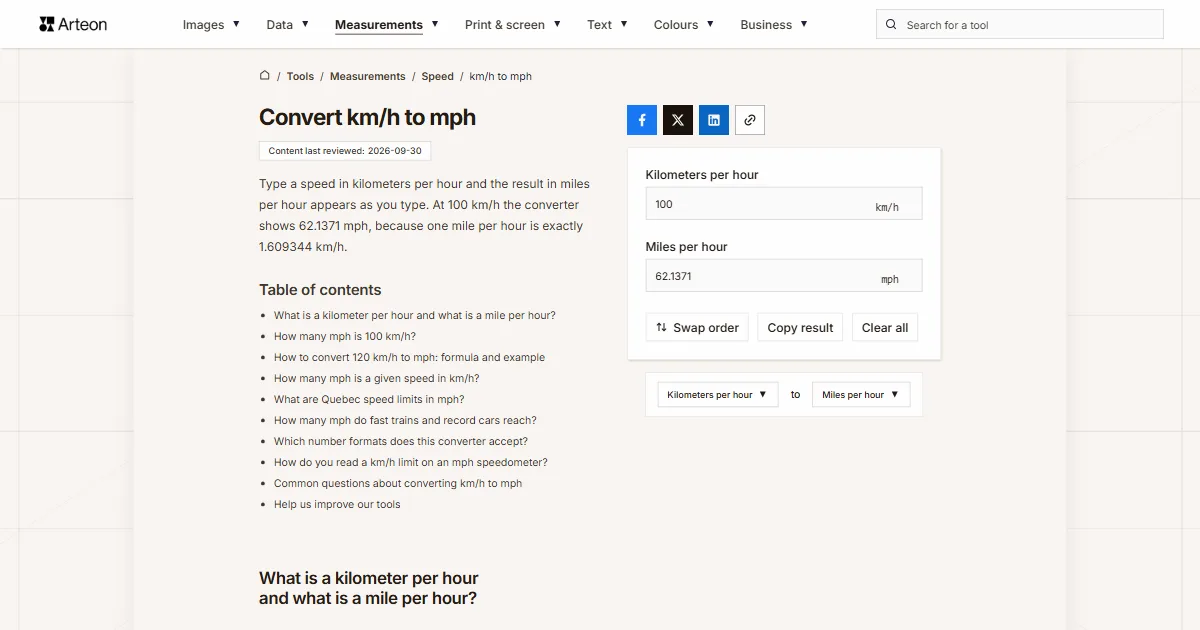
Type a speed in kilometers per hour and the result in miles per hour appears as you type. At 100 km/h the converter shows 62.1371 mph, because one mile per hour is exactly 1.609344 km/h.
What is a kilometer per hour and what is a mile per hour?
A kilometer per hour describes the speed at which you cover one kilometer in one hour. Its symbol is km/h[1].
In English you will also see the abbreviations kph, kmph and km/hr[1]. They all name the same unit, so a value written kph goes into the converter exactly as it is.
A mile per hour (mph) measures the same kind of speed in statute miles. One mile per hour is exactly 1.609344 km/h[2].
That figure is exact because it comes straight from the length of the mile. A mile is 1,760 yards long, and since 1 July 1959 it has measured exactly 1.609344 kilometers[3].
Miles per hour are used in the United States, in the United Kingdom and in a number of smaller countries and territories with close ties to either of them[2]. That is why the conversion comes up on almost any trip from one of those countries to a place where signs show km/h.
How many mph is 100 km/h?
100 km/h is 62.14 mph. To convert km/h to mph, divide the speed in kilometers per hour by 1.609344.
The same division turns a metric road sign into miles per hour. In Quebec the default limit in cities, towns and villages is 50 km/h[4]. Converted, that is 31.07 mph. On a gravel road the default limit is 70 km/h. In miles per hour that comes to 43.5 mph. On an autoroute you drive at no more than 100 km/h and no less than 60 km/h, and the lower figure is 37.28 mph.
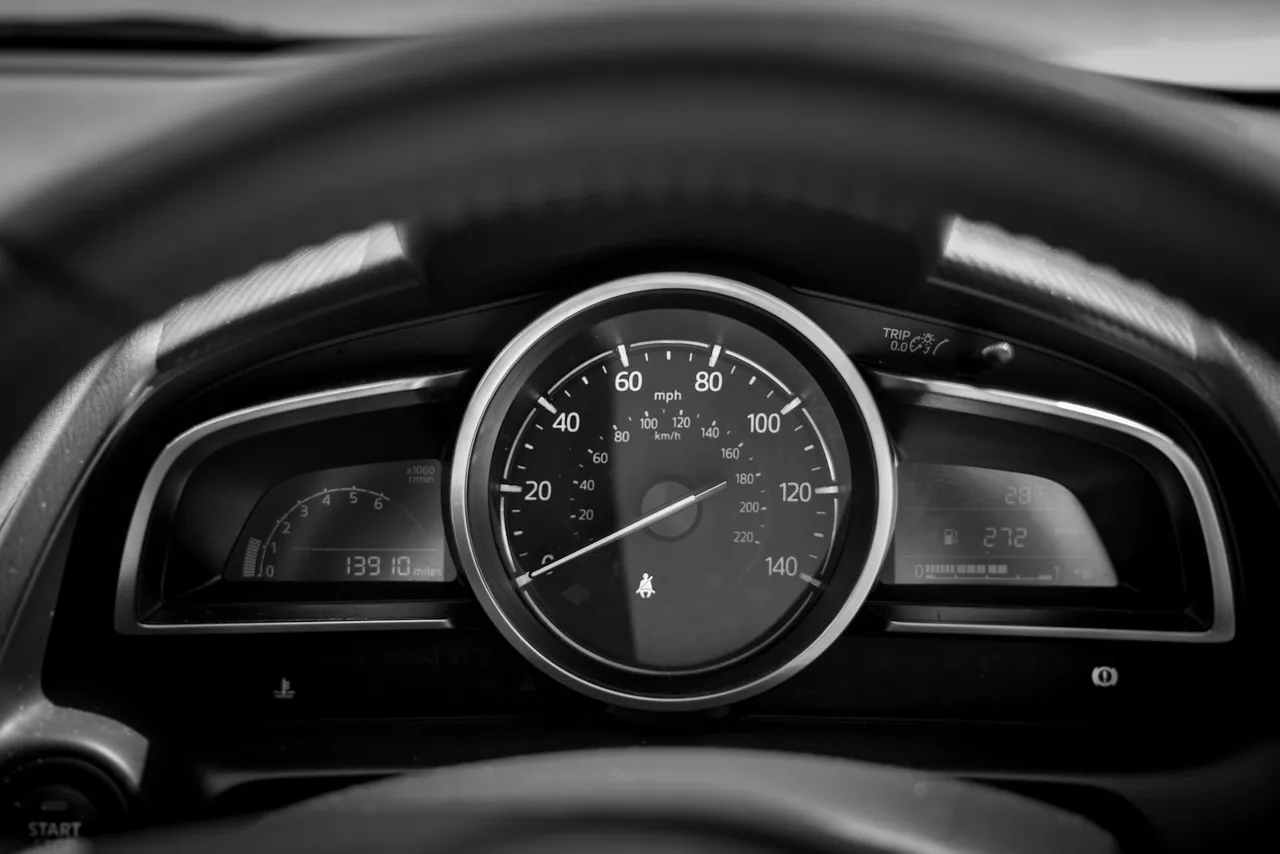
The sum is useful behind the wheel of a car with an mph speedometer, when you need to find the limit from a metric sign on the dial.
Formula: mph = km/h ÷ 1.609344
The result is exact, because 1.609344 follows directly from the length of the mile. At road speeds, multiplying by 0.621371 gives the same answer to four decimal places. The converter shows four decimal places, and the tables round to hundredths.
How to convert 120 km/h to mph: formula and example
The formula has a single step: mph = km/h ÷ 1.609344.
Take 120 km/h, the motorway limit in Ireland[5]. Dividing it by 1.609344 gives 74.56 mph. On a dial marked in miles per hour, you look just short of 75.
For a figure you can work out in your head, split the sum into two steps. First divide the speed by 8. Then multiply the result by 5. For 120 km/h the first step gives 15, and the second gives 75 mph.
This shortcut assumes a mile of 1.6 kilometers, so the result comes out about 0.6% too high. At 120 km/h the gap is less than half a mile per hour.
The mph to km/h converter handles the reverse conversion. Distances use the same divisor, so kilometers from a map turn into miles with the km to miles converter.
How many mph is a given speed in km/h?
| Kilometers per hour | Miles per hour (mph) | Meters per second (m/s) |
|---|---|---|
| 1 km/h | 0.62 mph | 0.28 m/s |
| 3 km/h | 1.86 mph | 0.83 m/s |
| 5 km/h | 3.11 mph | 1.39 m/s |
| 10 km/h | 6.21 mph | 2.78 m/s |
| 15 km/h | 9.32 mph | 4.17 m/s |
| 20 km/h | 12.43 mph | 5.56 m/s |
| 25 km/h | 15.53 mph | 6.94 m/s |
| 30 km/h | 18.64 mph | 8.33 m/s |
| 35 km/h | 21.75 mph | 9.72 m/s |
| 40 km/h | 24.85 mph | 11.11 m/s |
| 45 km/h | 27.96 mph | 12.5 m/s |
| 50 km/h | 31.07 mph | 13.89 m/s |
| 55 km/h | 34.18 mph | 15.28 m/s |
| 60 km/h | 37.28 mph | 16.67 m/s |
| 65 km/h | 40.39 mph | 18.06 m/s |
| 70 km/h | 43.5 mph | 19.44 m/s |
| 75 km/h | 46.6 mph | 20.83 m/s |
| 80 km/h | 49.71 mph | 22.22 m/s |
| 85 km/h | 52.82 mph | 23.61 m/s |
| 90 km/h | 55.92 mph | 25 m/s |
| 95 km/h | 59.03 mph | 26.39 m/s |
| 100 km/h | 62.14 mph | 27.78 m/s |
| 105 km/h | 65.24 mph | 29.17 m/s |
| 110 km/h | 68.35 mph | 30.56 m/s |
| 115 km/h | 71.46 mph | 31.94 m/s |
| 120 km/h | 74.56 mph | 33.33 m/s |
| 125 km/h | 77.67 mph | 34.72 m/s |
| 130 km/h | 80.78 mph | 36.11 m/s |
| 135 km/h | 83.89 mph | 37.5 m/s |
| 140 km/h | 86.99 mph | 38.89 m/s |
| 145 km/h | 90.1 mph | 40.28 m/s |
| 150 km/h | 93.21 mph | 41.67 m/s |
| 160 km/h | 99.42 mph | 44.44 m/s |
| 170 km/h | 105.63 mph | 47.22 m/s |
| 180 km/h | 111.85 mph | 50 m/s |
| 190 km/h | 118.06 mph | 52.78 m/s |
| 200 km/h | 124.27 mph | 55.56 m/s |
| 220 km/h | 136.7 mph | 61.11 m/s |
| 240 km/h | 149.13 mph | 66.67 m/s |
| 250 km/h | 155.34 mph | 69.44 m/s |
| 280 km/h | 173.98 mph | 77.78 m/s |
| 300 km/h | 186.41 mph | 83.33 m/s |
| 320 km/h | 198.84 mph | 88.89 m/s |
| 330 km/h | 205.05 mph | 91.67 m/s |
| 350 km/h | 217.48 mph | 97.22 m/s |
| 360 km/h | 223.69 mph | 100 m/s |
| 370 km/h | 229.91 mph | 102.78 m/s |
| 400 km/h | 248.55 mph | 111.11 m/s |
| 450 km/h | 279.62 mph | 125 m/s |
| 500 km/h | 310.69 mph | 138.89 m/s |
| 600 km/h | 372.82 mph | 166.67 m/s |
| 700 km/h | 434.96 mph | 194.44 m/s |
| 800 km/h | 497.1 mph | 222.22 m/s |
| 1,000 km/h | 621.37 mph | 277.78 m/s |
What are Quebec speed limits in mph?
| Road | Limit in km/h | Limit in mph |
|---|---|---|
| Cities, towns and villages | 50 km/h | 31.07 mph |
| Autoroutes, minimum speed | 60 km/h | 37.28 mph |
| Gravel roads | 70 km/h | 43.5 mph |
| Autoroutes, maximum speed | 100 km/h | 62.14 mph |
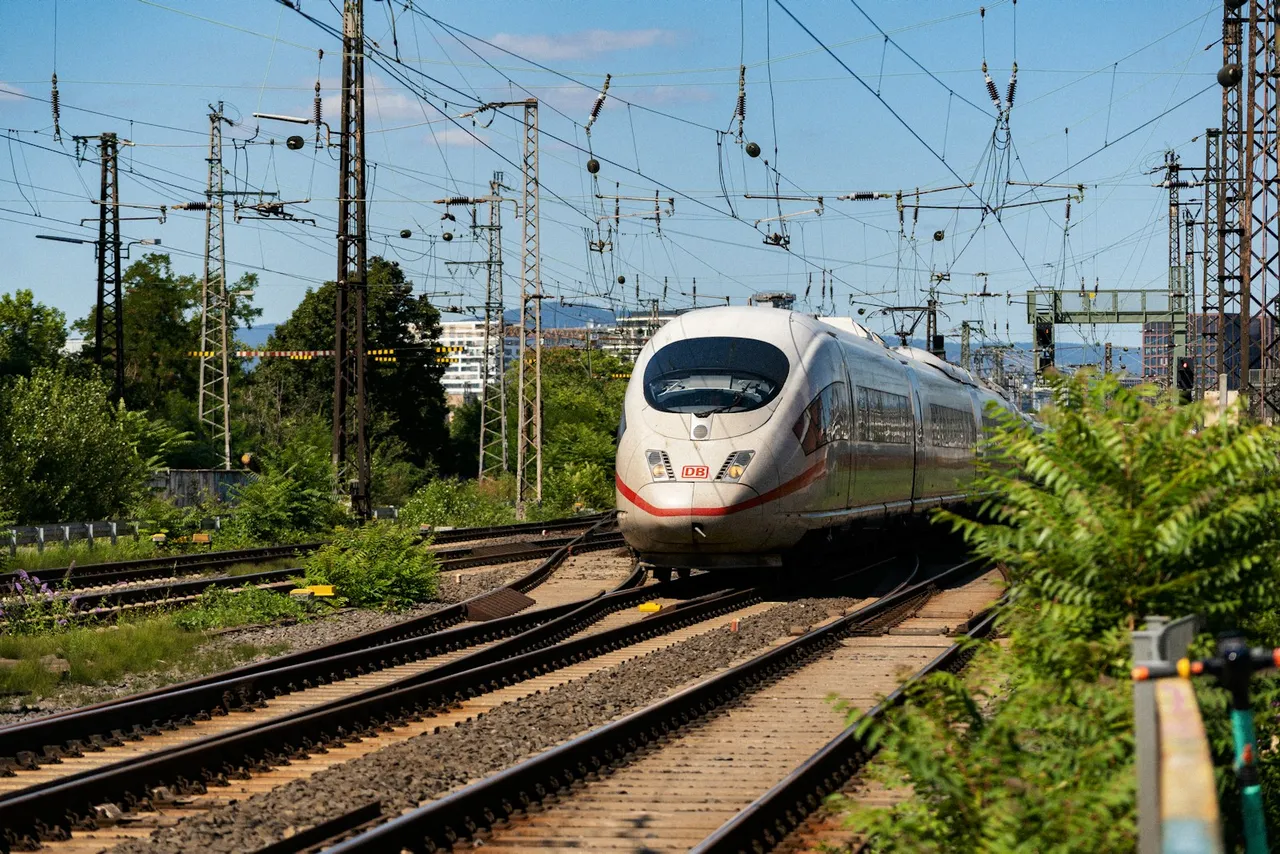
How many mph do fast trains and record cars reach?
| Vehicle | Speed in km/h | Speed in mph |
|---|---|---|
| TGV Duplex, E5 and ICE 3 in France in passenger service | 320 km/h | 198.84 mph |
| CR400 Fuxing in passenger service in China | 350 km/h | 217.48 mph |
| Shanghai Maglev in passenger service | 431 km/h | 267.81 mph |
| SSC Tuatara, recognized production car record, 2021 | 455.3 km/h | 282.91 mph |
| Bugatti Chiron Super Sport 300+, one-way run, 2019 | 490.484 km/h | 304.77 mph |
| Yangwang U9 Xtreme, one-way run, September 20, 2025 | 496.22 km/h | 308.34 mph |
| TGV, record on steel rails, April 3, 2007 | 574.8 km/h | 357.16 mph |
| SCMaglev L0, rail speed record, April 21, 2015 | 603 km/h | 374.69 mph |
Which number formats does this converter accept?
| What you type | What the converter shows | How we read it |
|---|---|---|
| 100 | 62.1371 mph | A number on its own is read as kilometres per hour, because that is the unit on the field. |
| 100 km/h | 62.1371 mph | The km/h symbol pasted with the number is skipped, because the field already works in kilometres per hour. |
| 100 kph | 62.1371 mph | The abbreviations kph and kmph stand for the same unit, so the field skips them as well. |
| 80.5 | 50.0204 mph | The decimal point separates the fraction, exactly as you would expect. |
| 80,5 | 50.0204 mph | A comma followed by one or two digits can only be a decimal comma, so the result is the same. |
| 1,500 | 932.0568 mph | A comma before three digits groups thousands in English, so this is fifteen hundred kilometres per hour. A note under the field shows the other possible reading, 1.5. |
| 1.500 | 0.9321 mph | A single point is always read as a decimal point, so the field counts one and a half kilometres per hour. A note under the field shows the other possible reading, 1500. |
| 1 500 | 932.0568 mph | A space between the thousands, as written in much of Europe and in SI style, gives the same result as 1,500. |
| 60 mph | 60 mph | Miles per hour are converted to kilometres per hour, with a line under the field saying so, so the result comes back to 60 mph. |
How do you read a km/h limit on an mph speedometer?
Four steps turn the number on a metric sign into the point you look for on a dial marked in miles per hour.
Type the number from the sign
In the Kilometers per hour field, type the limit from the sign, for example 90.Read the result in mph
The converter shows 55.9234 mph. On a dial marked in miles per hour, look just short of 56.Copy the result
The Copy result button puts the number on your clipboard, so you can keep a note of the limits along your route.Open the reverse conversion when you know the speed in mph
The Swap order button opens the mph to km/h converter and carries the result from this page over to it. There you type the value from the dial and see it in km/h straight away.
Sources
- Kilometres per hour — Wikipedia
- Miles per hour — Wikipedia
- Mile — Wikipedia
- Speed limits — Gouvernement du Québec
- Speed limits in Ireland — Wikipedia
- Metrication in Canada — Wikipedia
- Land speed record for rail vehicles — Wikipedia
- Production car speed record — Wikipedia
- The Road Vehicles (Construction and Use) Regulations 1986, regulation 35 — legislation.gov.uk
- Speedometer — Wikipedia
- Knot (unit) — Wikipedia
Every figure in the tables was computed from the unit definitions and checked arithmetically before publication. Historical values and the names of local units come from the sources listed above.
Content last reviewed: · written and checked by the Arteon team
Common questions about converting km/h to mph
Is 100 km/h the same as 60 mph?
100 km/h is 62.14 mph. In the other direction, 60 mph is 96.56 km/h. The gap between the two speeds is 3.44 km/h. In miles per hour that is 2.14 mph.
Why does a UK car show km/h on the speedometer as well?
A vehicle first used on or after 1 April 1984 must have a speedometer capable of showing speed in both miles per hour and kilometres per hour[9]. On a dial like that you read a metric limit directly. An older car may show mph only, and then the converter does the sum. UK limits converted to km/h are listed on the page of the mph to km/h converter.
Does a speedometer show the exact speed?
What treadmill speed in mph matches a pace of 6 minutes per kilometer?
A pace of 6 minutes per kilometer is 10 km/h, because you cover ten such kilometers in an hour. Converted, that is 6.21 mph. On a treadmill set to miles per hour you choose 6.2.
Help us improve our tools
Have an idea for a new feature, spotted a bug or want to suggest another tool? Write to us.