Convert grams to grains
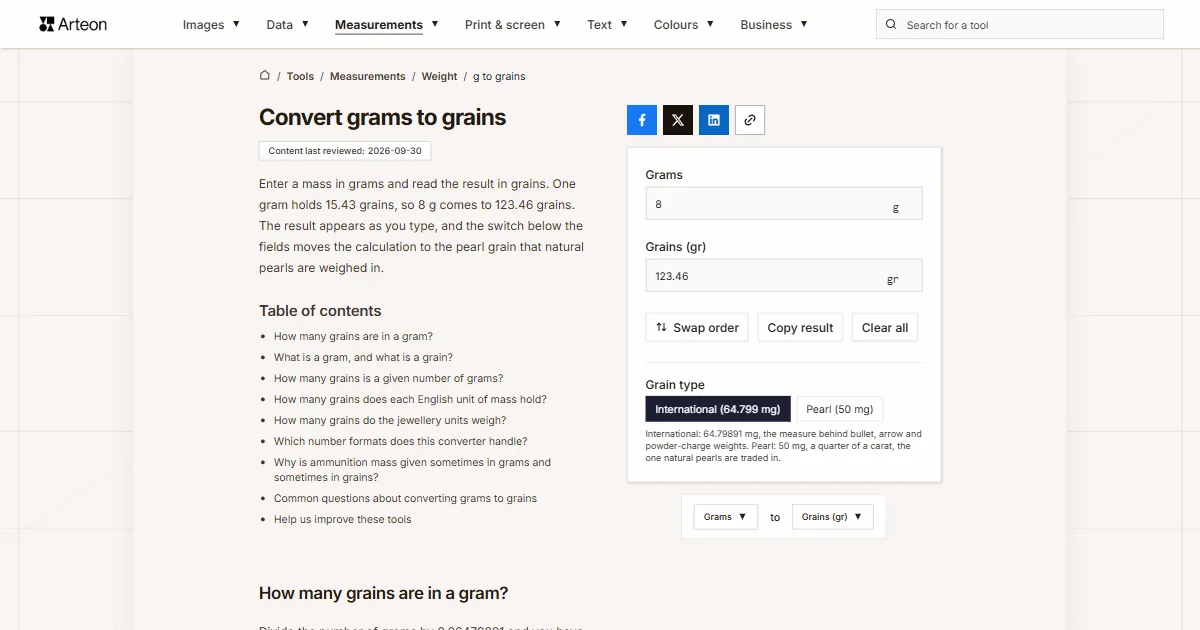
Enter a mass in grams and read the result in grains. One gram holds 15.43 grains, so 8 g comes to 123.46 grains. The result appears as you type, and the switch below the fields moves the calculation to the pearl grain that natural pearls are weighed in.
How many grains are in a gram?
Divide the number of grams by 0.06479891 and you have the mass in grains. Eight grams comes out at 123.46 grains.
Formula: grains = grams ÷ 0.06479891
Multiplication gives the same answer and reads more easily, because one gram is 15.4324 grains[1]. Written as grains = grams × 15.4324 it gives the same figure and covers anything a kitchen scale will show you.
Take three example bullet masses written in grams. Eight grams is 123.46 grains. Nine and a half grams gives 146.61 grains. Eleven and a half grams comes to 177.47 grains. Each extra gram adds 15.43 grains to the result. Between eight and eleven and a half grams the difference therefore comes to 54.01 grains. That sum is useful when the load table comes from an American manual and the scale on the bench reads grams.
The arithmetic is exact both ways, because the grain has a value fixed directly in metric terms. The grains to grams converter covers the opposite direction.
What is a gram, and what is a grain?
A gram is a thousandth of a kilogram, and the kilogram is the base unit of mass in the SI system. The rest of the notation follows from that: a thousand grams make a kilogram and a thousand milligrams make a gram — the grams to kilograms converter handles the first of those steps and the grams to milligrams converter the second.
The grain comes from a system other than SI. It belongs to the English system of measurement and weighs 64.79891 milligrams[1], so a single gram holds 15.43 of them. Its symbol is gr, and the name comes from the cereal seed whose mass once served as the reference[2].
The grain is useful wherever a gram is too coarse and a milligram too fine. Easton, which makes arrow shafts, states shaft mass as grains per inch and notes that the figure leaves out the point, the nock, the insert and the fletchings[3].

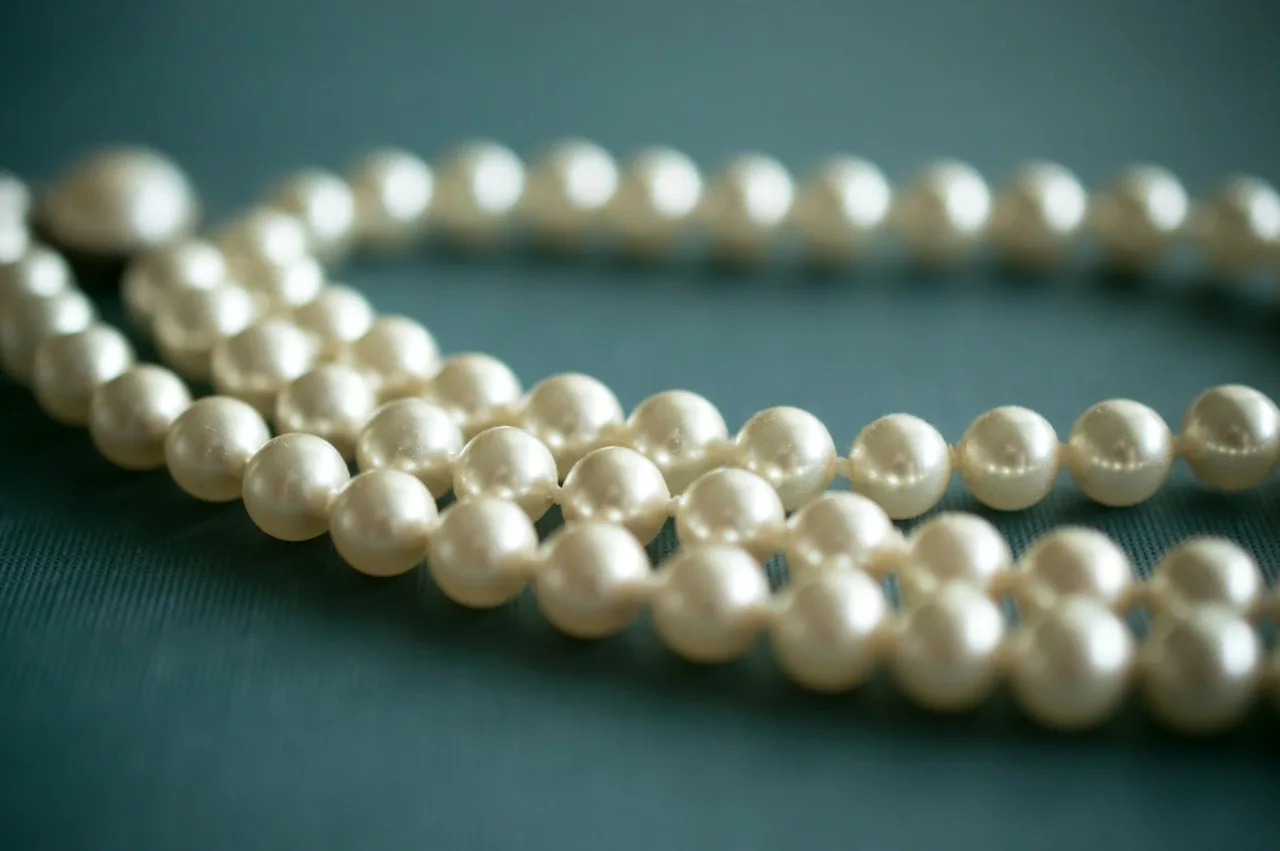
The same scale applies in the jewellery trade. A metric carat is 200 milligrams, or 3.09 grains, and a quarter carat carries its own name in the pearl trade: the pearl grain[4]. The switch below the converter fields moves the calculation to that value.
How many grains is a given number of grams?
| Grams | Grains | Avoirdupois ounces |
|---|---|---|
| 0.05 g | 0.77 gr | 0.0018 oz |
| 0.1 g | 1.54 gr | 0.0035 oz |
| 0.2 g | 3.09 gr | 0.0071 oz |
| 0.5 g | 7.72 gr | 0.0176 oz |
| 1 g | 15.43 gr | 0.0353 oz |
| 1.5 g | 23.15 gr | 0.0529 oz |
| 2 g | 30.86 gr | 0.0705 oz |
| 2.5 g | 38.58 gr | 0.0882 oz |
| 3 g | 46.3 gr | 0.1058 oz |
| 3.5 g | 54.01 gr | 0.1235 oz |
| 4 g | 61.73 gr | 0.1411 oz |
| 4.5 g | 69.45 gr | 0.1587 oz |
| 5 g | 77.16 gr | 0.1764 oz |
| 5.5 g | 84.88 gr | 0.194 oz |
| 6 g | 92.59 gr | 0.2116 oz |
| 6.5 g | 100.31 gr | 0.2293 oz |
| 7 g | 108.03 gr | 0.2469 oz |
| 7.5 g | 115.74 gr | 0.2646 oz |
| 8 g | 123.46 gr | 0.2822 oz |
| 8.5 g | 131.18 gr | 0.2998 oz |
| 9 g | 138.89 gr | 0.3175 oz |
| 9.5 g | 146.61 gr | 0.3351 oz |
| 10 g | 154.32 gr | 0.3527 oz |
| 10.5 g | 162.04 gr | 0.3704 oz |
| 11 g | 169.76 gr | 0.388 oz |
| 11.5 g | 177.47 gr | 0.4057 oz |
| 12 g | 185.19 gr | 0.4233 oz |
| 12.5 g | 192.9 gr | 0.4409 oz |
| 13 g | 200.62 gr | 0.4586 oz |
| 14 g | 216.05 gr | 0.4938 oz |
| 15 g | 231.49 gr | 0.5291 oz |
| 16 g | 246.92 gr | 0.5644 oz |
| 17 g | 262.35 gr | 0.5997 oz |
| 18 g | 277.78 gr | 0.6349 oz |
| 19 g | 293.21 gr | 0.6702 oz |
| 20 g | 308.65 gr | 0.7055 oz |
| 21 g | 324.08 gr | 0.7408 oz |
| 22 g | 339.51 gr | 0.776 oz |
| 23 g | 354.94 gr | 0.8113 oz |
| 24 g | 370.38 gr | 0.8466 oz |
| 25 g | 385.81 gr | 0.8818 oz |
| 26 g | 401.24 gr | 0.9171 oz |
| 27 g | 416.67 gr | 0.9524 oz |
| 28 g | 432.11 gr | 0.9877 oz |
| 29 g | 447.54 gr | 1.0229 oz |
| 30 g | 462.97 gr | 1.0582 oz |
| 31 g | 478.4 gr | 1.0935 oz |
| 32 g | 493.84 gr | 1.1288 oz |
| 33 g | 509.27 gr | 1.164 oz |
| 34 g | 524.7 gr | 1.1993 oz |
| 35 g | 540.13 gr | 1.2346 oz |
| 36 g | 555.56 gr | 1.2699 oz |
| 37 g | 571 gr | 1.3051 oz |
| 38 g | 586.43 gr | 1.3404 oz |
| 39 g | 601.86 gr | 1.3757 oz |
| 40 g | 617.29 gr | 1.411 oz |
| 41 g | 632.73 gr | 1.4462 oz |
| 42 g | 648.16 gr | 1.4815 oz |
| 45 g | 694.46 gr | 1.5873 oz |
| 50 g | 771.62 gr | 1.7637 oz |
| 100 g | 1,543.24 gr | 3.5274 oz |
| 200 g | 3,086.47 gr | 7.0548 oz |
| 300 g | 4,629.71 gr | 10.5822 oz |
| 454 g | 7,006.29 gr | 16.0144 oz |
| 500 g | 7,716.18 gr | 17.637 oz |
How many grains does each English unit of mass hold?
| Unit | Grains | Grams |
|---|---|---|
| Grain (gr) | 1 gr | 0.0648 g |
| Metric carat (ct) | 3.08647 gr | 0.2 g |
| Apothecaries’ scruple | 20 gr | 1.296 g |
| Pennyweight (dwt) | 24 gr | 1.5552 g |
| Avoirdupois dram (dr) | 27.34375 gr | 1.7718 g |
| Apothecaries’ dram | 60 gr | 3.8879 g |
| Avoirdupois ounce (oz) | 437.5 gr | 28.3495 g |
| Troy ounce (oz t) | 480 gr | 31.1035 g |
| Troy and apothecaries’ pound | 5,760 gr | 373.2417 g |
| Avoirdupois pound (lb) | 7,000 gr | 453.5924 g |
How many grains do the jewellery units weigh?
| Unit | Mass | Grains |
|---|---|---|
| Point (a hundredth of a carat) | 0.002 g | 0.03 gr |
| Pearl grain (a quarter carat) | 0.05 g | 0.77 gr |
| Metric carat (ct) | 0.2 g | 3.09 gr |
| Momme | 3.75 g | 57.87 gr |
| Methgal | 4.5 g | 69.45 gr |
| Kan (a thousand momme) | 3,750 g | 57,871.34 gr |
Which number formats does this converter handle?
| What you type | What the converter shows | How we read it |
|---|---|---|
| 8.04 | 124.08 gr | The decimal point from the numeric keypad, written the way English writes it |
| 8,04 | 124.08 gr | A comma pasted from a market that writes decimals that way is read as a decimal point, so the result is the same |
| 1,500 | 23148.54 gr | Three digits follow the comma, so we read it as a thousands separator: the field holds one thousand five hundred. A note under the field shows the other possible reading, 1.5. |
| 3/4 | 11.57 gr | We work the fraction out ourselves, so there is no need to turn it into a decimal first |
| 5½ | 84.88 gr | The ½ character copied from a recipe or a label is added to the number in front of it |
| 8.04 g | 124.08 gr | A unit symbol pasted along with the number is no trouble: we take the number and leave the symbol out |
Why is ammunition mass given sometimes in grams and sometimes in grains?
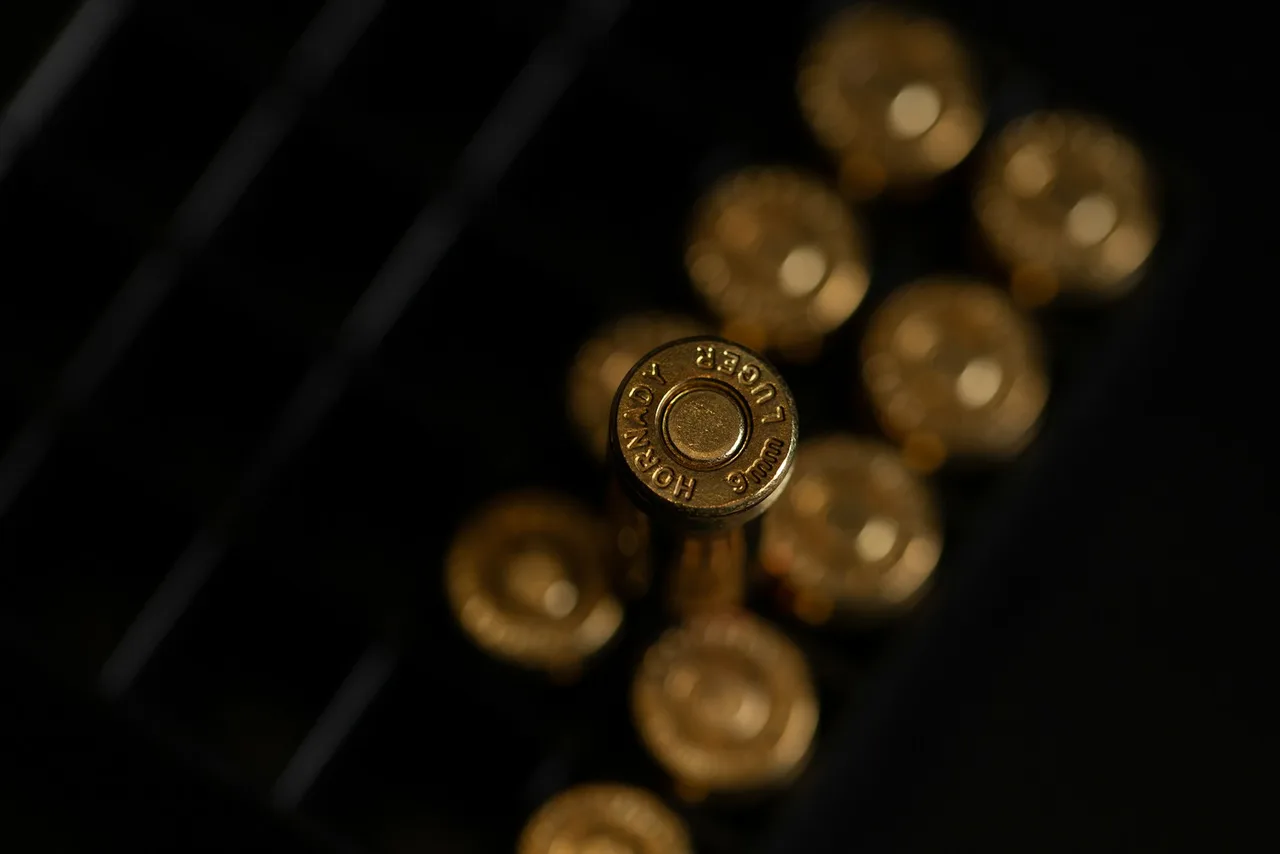
Because Europeans stay with the metric system and state ammunition mass in grams, while Anglo-American makers give bullet weight in grains[5].
In Europe the rules for proof testing firearms and ammunition are set by C.I.P., the Permanent International Commission for the Proof of Small Arms, founded on 15 July 1914. Its members are Austria, Belgium, Chile, the Czech Republic, Finland, France, Germany, Hungary, Italy, Portugal, Russia, Serbia, Slovakia, Spain, the United Arab Emirates and the United Kingdom[6].
The American counterpart is SAAMI, an association of manufacturers. C.I.P. decisions carry the force of law in member states, while SAAMI issues recommendations to makers[7].
Browning converts the masses of its own cartridges in both directions. It describes its BXR 30-06 Spr. cartridge as 155 grains, which is 10.04 grams. For the BXS 300 WM it gives 180 grains, which is 11.66 grams. For the BXC 308 Win. it starts from the metric side and prints 10.89 grams, which is 168 grains[5].
In a spreadsheet the whole swap is one formula. The function is called CONVERT and its syntax is CONVERT(number,from_unit,to_unit)[9], so grams to grains reads =CONVERT(A1,"g","grain").
Convert Grams to other units
Sources
- NIST Handbook 44 (2023), Appendix C. General Tables of Units of Measurement — National Institute of Standards and Technology
- Grain (unit) — Wikipedia
- FAQs — Easton Archery
- The Pearl Book, Pearl Commission 2024-1 — CIBJO — The World Jewellery Confederation
- Munitions de grande chasse : grammes ou grains ? — Browning
- Commission internationale permanente pour l’épreuve des armes à feu portatives — Wikipédia
- Commission internationale permanente pour l’épreuve des armes à feu portatives — Wikipedia
- ANSI/SAAMI Z299.3-2022. Voluntary Industry Performance Standards for Pressure and Velocity of Centerfire Pistol and Revolver Ammunition — Sporting Arms and Ammunition Manufacturers’ Institute
- CONVERT function — Microsoft
Every figure in the tables was computed from the unit definitions and checked arithmetically before publication. Historical values and the names of local units come from the sources listed above.
Content last reviewed: · written and checked by the Arteon team
Common questions about converting grams to grains
How many grains are in one gram?
One gram is 15.4324 grains. The figure comes from inverting the multiplier: a grain weighs 0.06479891 grams, so a gram holds 15.43 of them. For anything a kitchen scale shows, 15.43 is enough to remember.
How many grains are in an ounce, and how many in a pound?
The avoirdupois ounce holds 437.5 grains, the troy ounce 480, the avoirdupois pound 7000, and the troy and apothecaries pound 5760. All four figures are exact by definition, because they are what fixes the size of those units.
How is the grain written in a spreadsheet?
As the text “grain”, in English and in lower case. The unit symbol in the CONVERT function is case-sensitive, so grams to grains reads =CONVERT(A1,"g","grain"), and the multiplication =A1*15.4324 does the same job.
How many grains does a pearl weigh?
It depends which grain you weigh it in. The pearl grain equals a quarter of a carat, or 50 milligrams, so a one gram pearl comes to twenty pearl grains. The same gram described in international grains gives 15.43.
What is the difference between a grain and a pennyweight?
Scale. A pennyweight holds 24 grains and weighs 1.5552 grams, and its symbol is dwt. Twenty pennyweights make one troy ounce.
How many grains is a powder charge given in grams?
Divide the grams by 0.06479891 and you have grains. A charge takes exactly the same sum as a bullet mass, because both are stated in the same unit. One gram of powder is 15.43 grains.
Where does the figure 15.4324 come from?
From inverting the definition of the grain. Since a grain weighs 0.06479891 grams, one divided by that number gives 15.4324 grains to the gram. NIST prints the same value rounded to three places as 15.432 grains.
Help us improve these tools
Have an idea for a feature, found a bug or want to suggest another tool? Write to us.